UAA Environmental Message - August 2026
Environmental Safety Starts with Shared Awareness
Invasive species management starts before the first cut, mow, spray, or access route is used. Crews, planners, foresters, contractors, and environmental teams each bring a different perspective to the job site. When those perspectives are shared during planning and pre-job briefings, teams are better prepared to protect sensitive areas, avoid spreading invasive species, reduce exposure to hazardous plants, and maintain safe access for vegetation management work.
Prevention: Stop the Spread Before It Starts
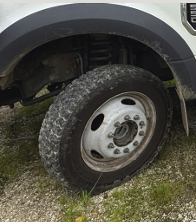
Relevant BMP examples include inspecting and cleaning vehicles, equipment, clothing, footwear, and gear when moving from infested to uninfested areas, and avoiding cleaning near waterways where material could spread downstream.
Pre-job briefings should include:
- Known invasive species in or near the work area
- Location(s) of sensitive or high biodiversity value areas
- Equipment cleaning expectations
- Access routes, staging areas, and parking locations
- Disposal or containment expectations for plant material, soil, or debris
A simple reminder for crews: Don’t move the problem.
Seeds, soil, or plant fragments carried on equipment, boots, or tools can spread invasive plants and create a new infestation at the next work site.
Protection During Control: Protect People and Maintain Safe Work Conditions

Pre-job briefings should identify:
- Plants that may cause burns, rashes, eye irritation, or respiratory issues
- Whether mowing, cutting, or chipping could aerosolize irritating compounds
- Required PPE, including gloves, eye protection, sleeves, respiratory protection, or wash protocols
- Safe handling and disposal methods
- Areas where dense invasive vegetation limits visibility, footing, escape routes, or access within the ROW
Management: Partner Where Invasives Are Already Established
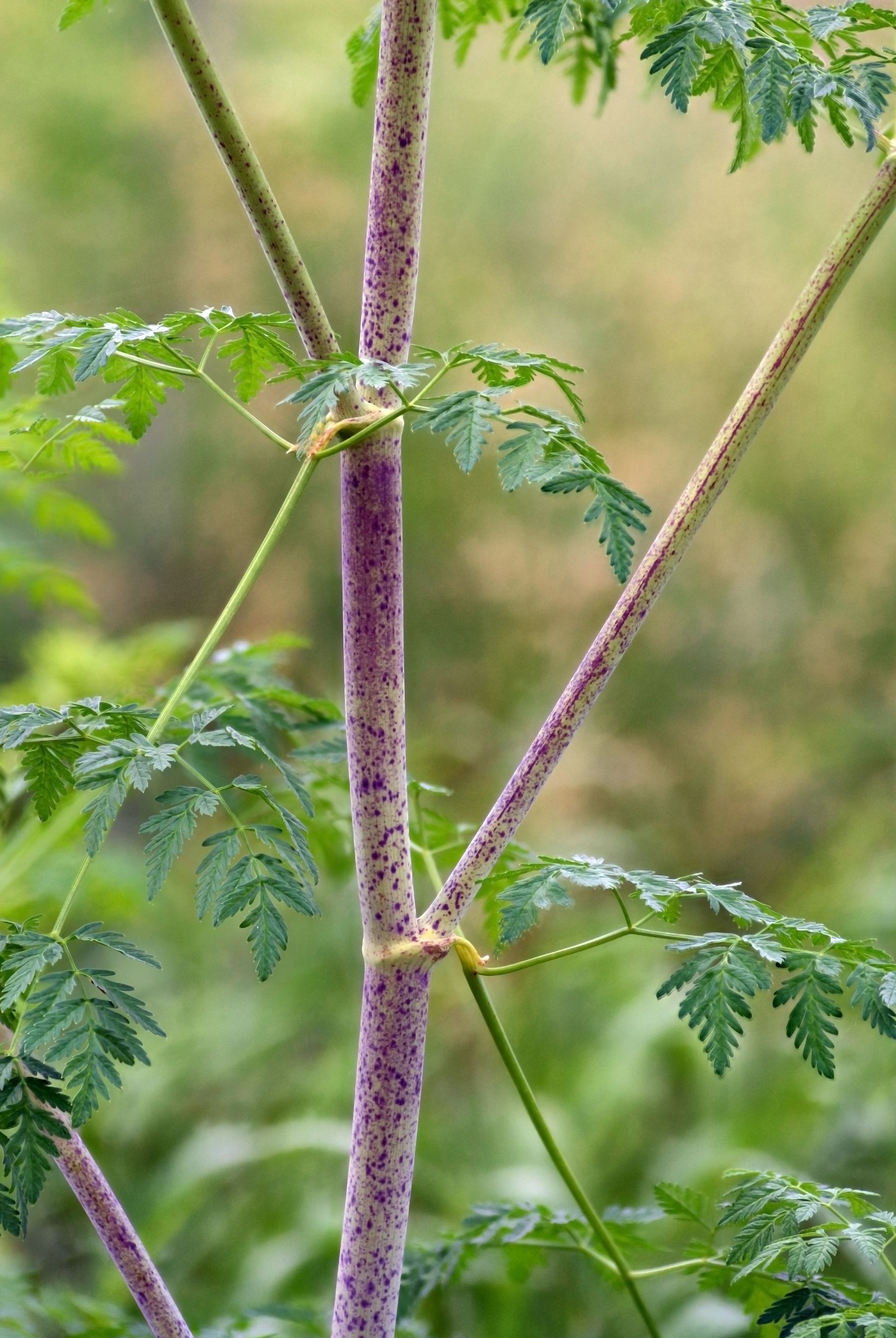
Pre-job briefings can support eradication by documenting:
- The location and identity of invasive species present
- Whether infestations appear isolated or widespread
- What species may need follow-up treatment
- Whether access, timing, permitting, or partner coordination is needed
- Whether treatment could support broader IVM, habitat, pollinator, or ROW restoration goals
Key Takeaways
Invasive species safety starts with shared awareness. Before work begins, teams should discuss which invasive species are present, where they occur, and how planned activities could affect or spread them. Seeds, soil, and plant fragments can be carried on equipment, boots, and tools, while some species may also pose direct health or safety risks to workers.
Crews, planners, foresters, contractors, and environmental teams all play a role in identifying risks early, communicating sensitive areas, and selecting work practices that protect people, the ROW, and surrounding habitats. Including invasive species in the pre-job conversation helps teams prepare for site-specific hazards, prevent accidental spread, and keep small infestations from becoming larger problems. Shared awareness makes invasive species management part of the team's overall safety and environmental responsibility.
Crews, planners, foresters, contractors, and environmental teams all play a role in identifying risks early, communicating sensitive areas, and selecting work practices that protect people, the ROW, and surrounding habitats. Including invasive species in the pre-job conversation helps teams prepare for site-specific hazards, prevent accidental spread, and keep small infestations from becoming larger problems. Shared awareness makes invasive species management part of the team's overall safety and environmental responsibility.
Resources
- UAA: Considerations for Management of Structurally Compatible Species (Non-Native, Noxious, or Invasive)
- UAA: Habitat Enhancing Seed Blends
- Pollinator Partnership: Preventing the Spread of Invasive Plants: Best Management Practices for Transportation and Utility Corridors
- Early Detection and Distribution Mapping System (EDDMapS): Invasive Species Tracking